
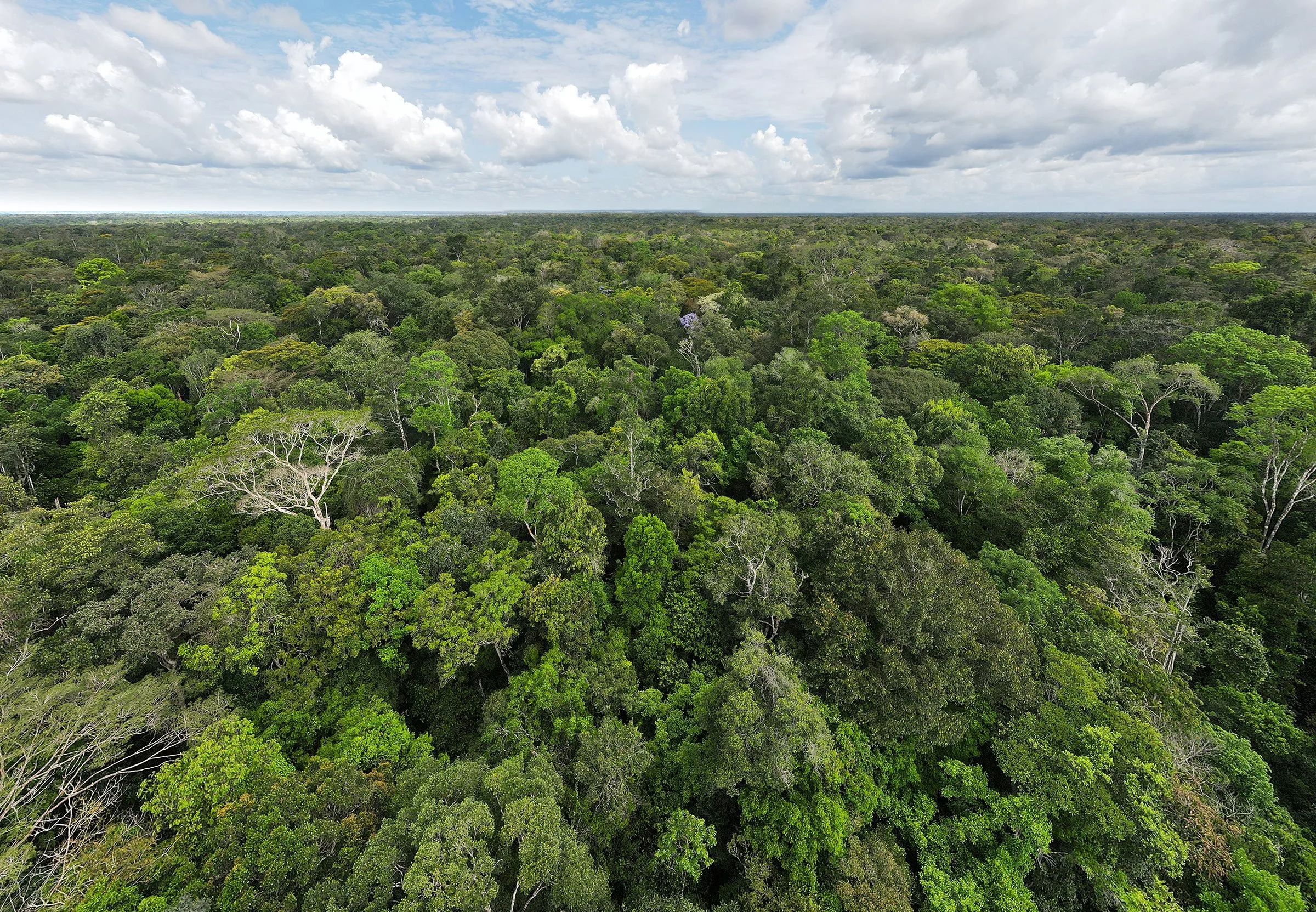
— Guyana’s ForestWhere every piece begins
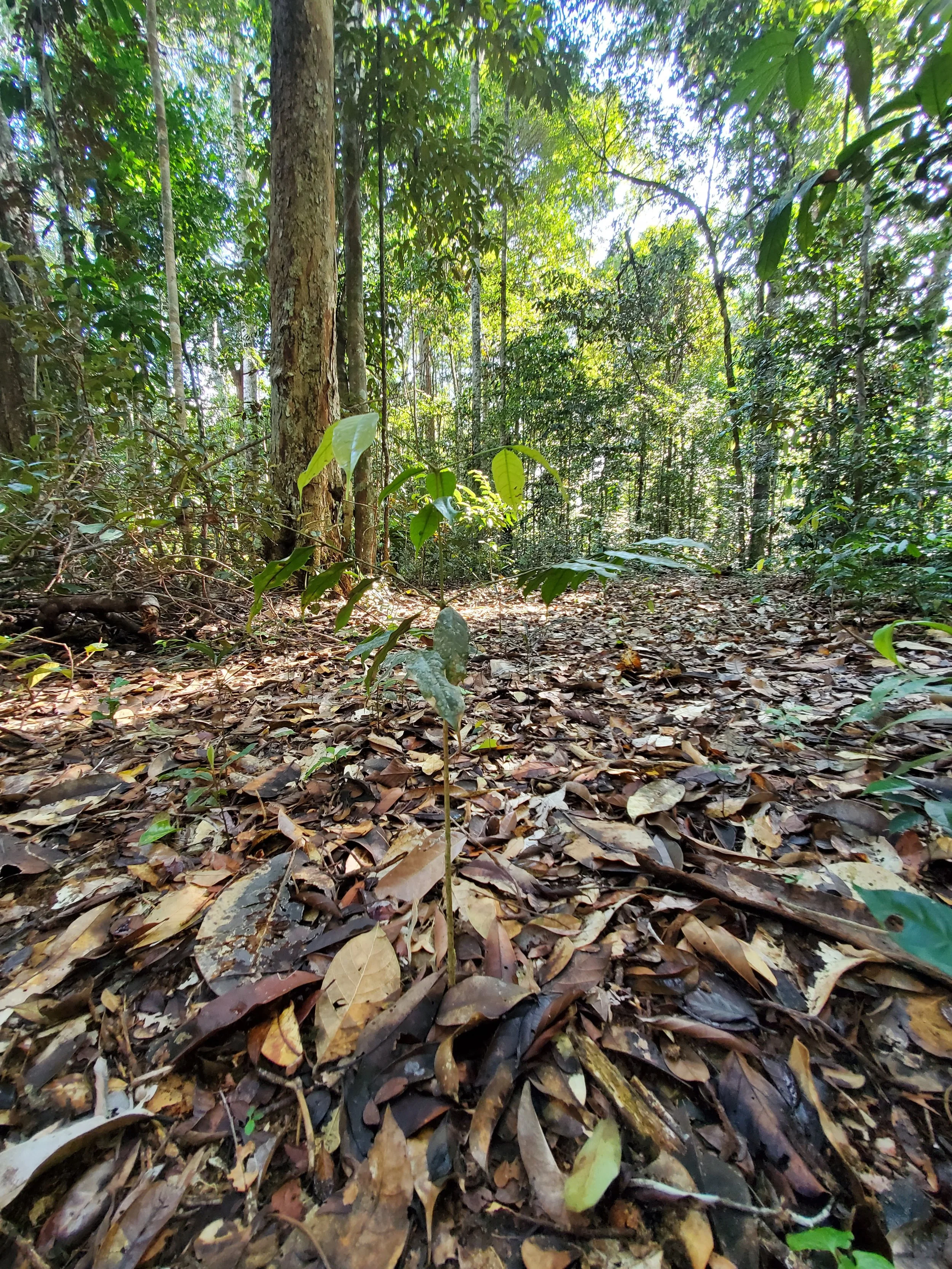
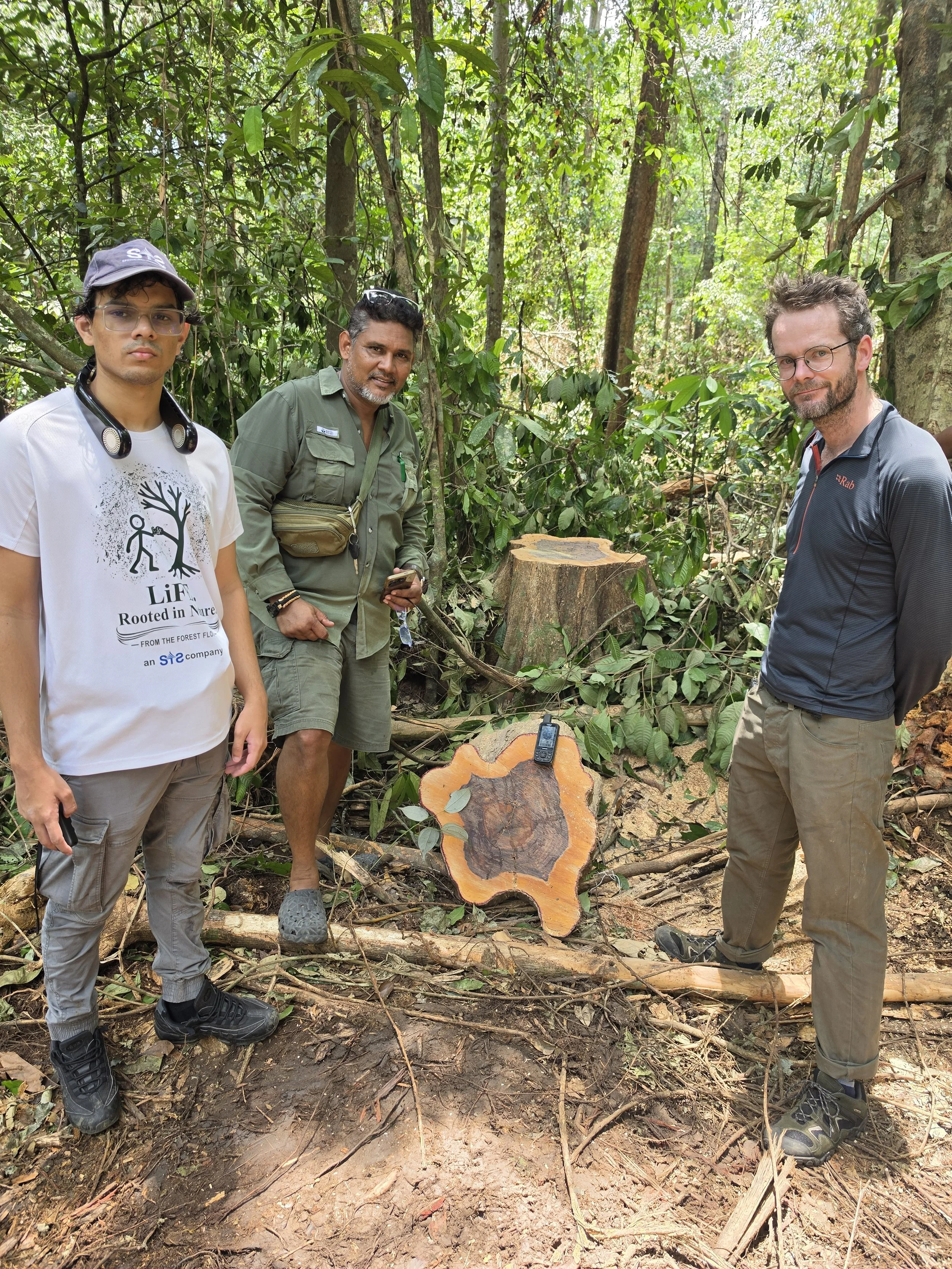
This is a forestry concession after harvest is completed.
A quiet revolution on the Forest Floor
Deep in Guyana — one of the most biodiverse and carefully protected forests on earth — small communities of foresters manage their land not to survive, but to thrive.
This is sustainable forestry. It is fully regenerative, where individual trees are selected for harvest and great care is taken to minimise impact on the surrounding area. Months later, saplings race towards the pocket of light created in the canopy and new growth in the understory makes it difficult to identify the site of harvest.
Guyana is recognised as having one of the best managed forests in the world.
0.36%
Deforest rate —AMongst the lowest on earthJaguars walk these forests
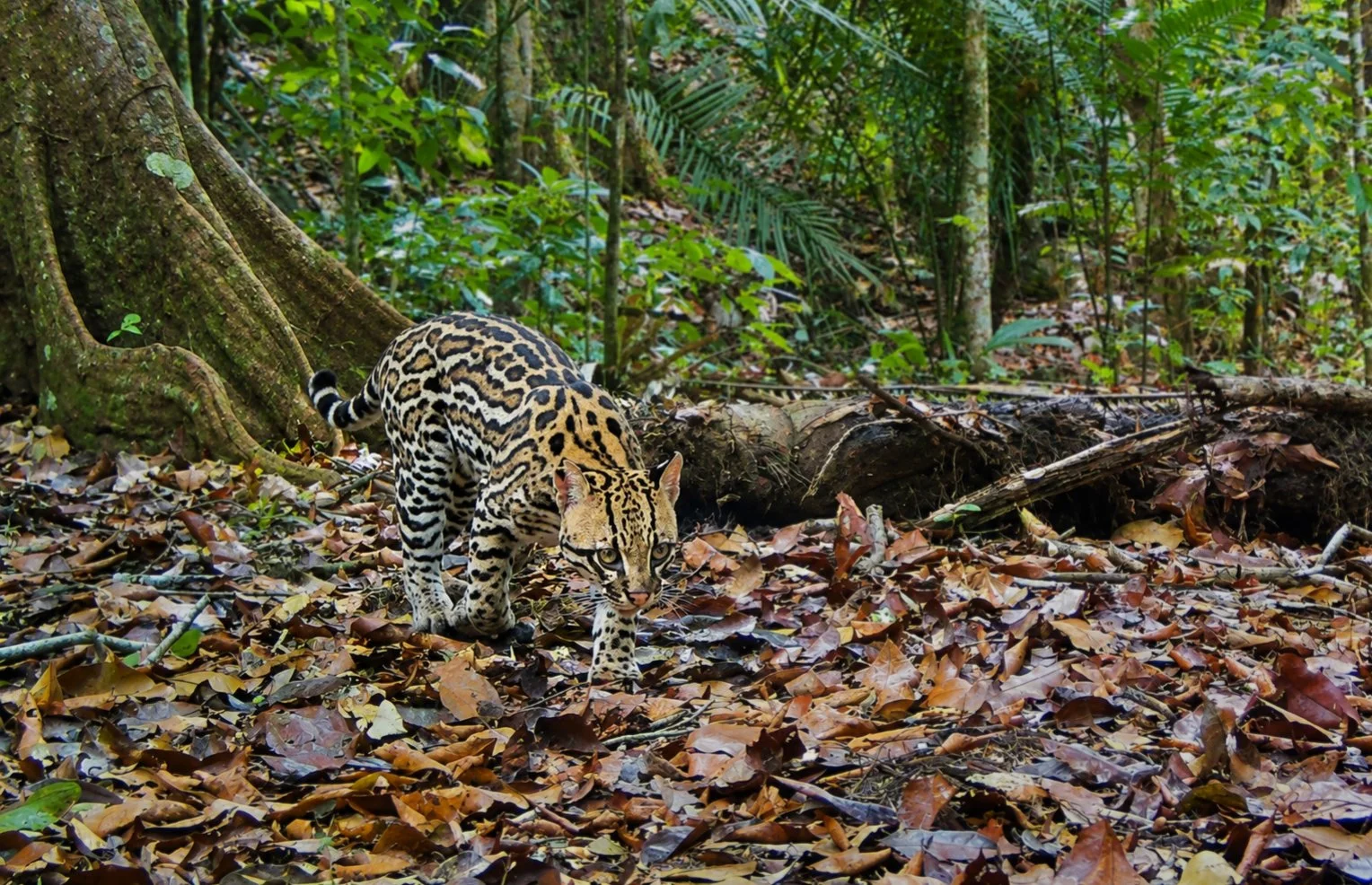
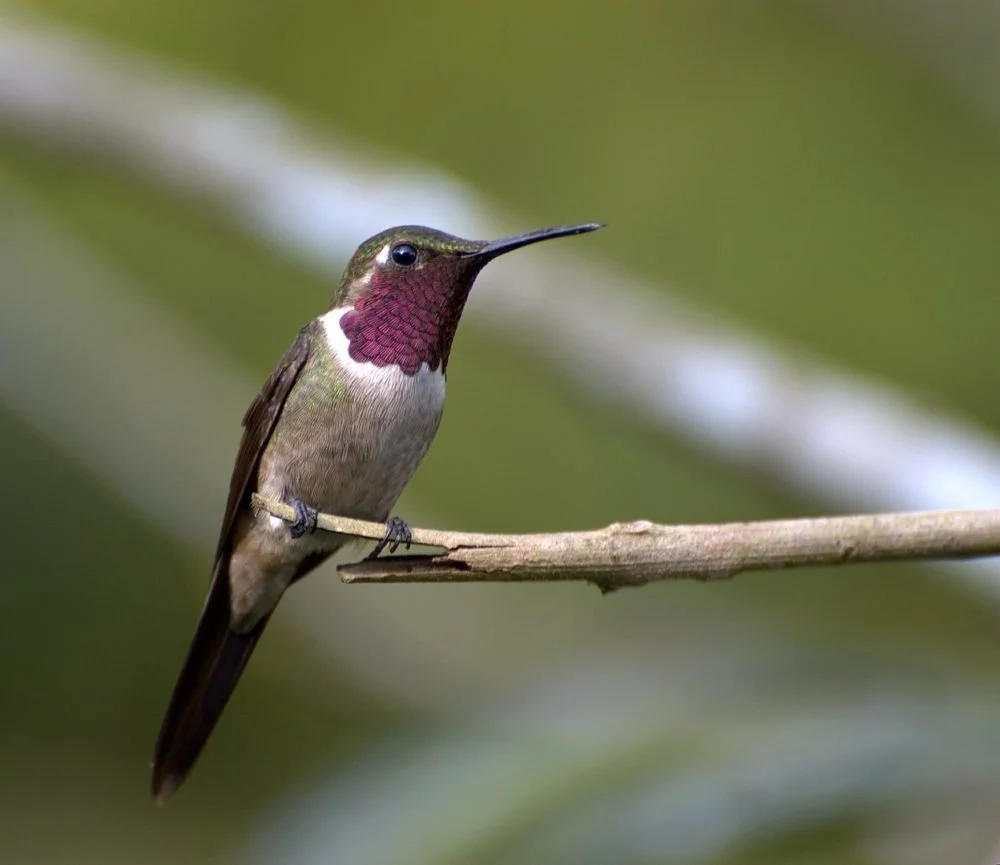
Camera traps in the concessions record what responsible forestry looks like in practice: big cats, tapirs, rare birds and primates moving through forest that is left standing.
The Guyana forest stores carbon, produces oxygen, regulates water, protects soils and provides habitat for extraordinary biodiversity.
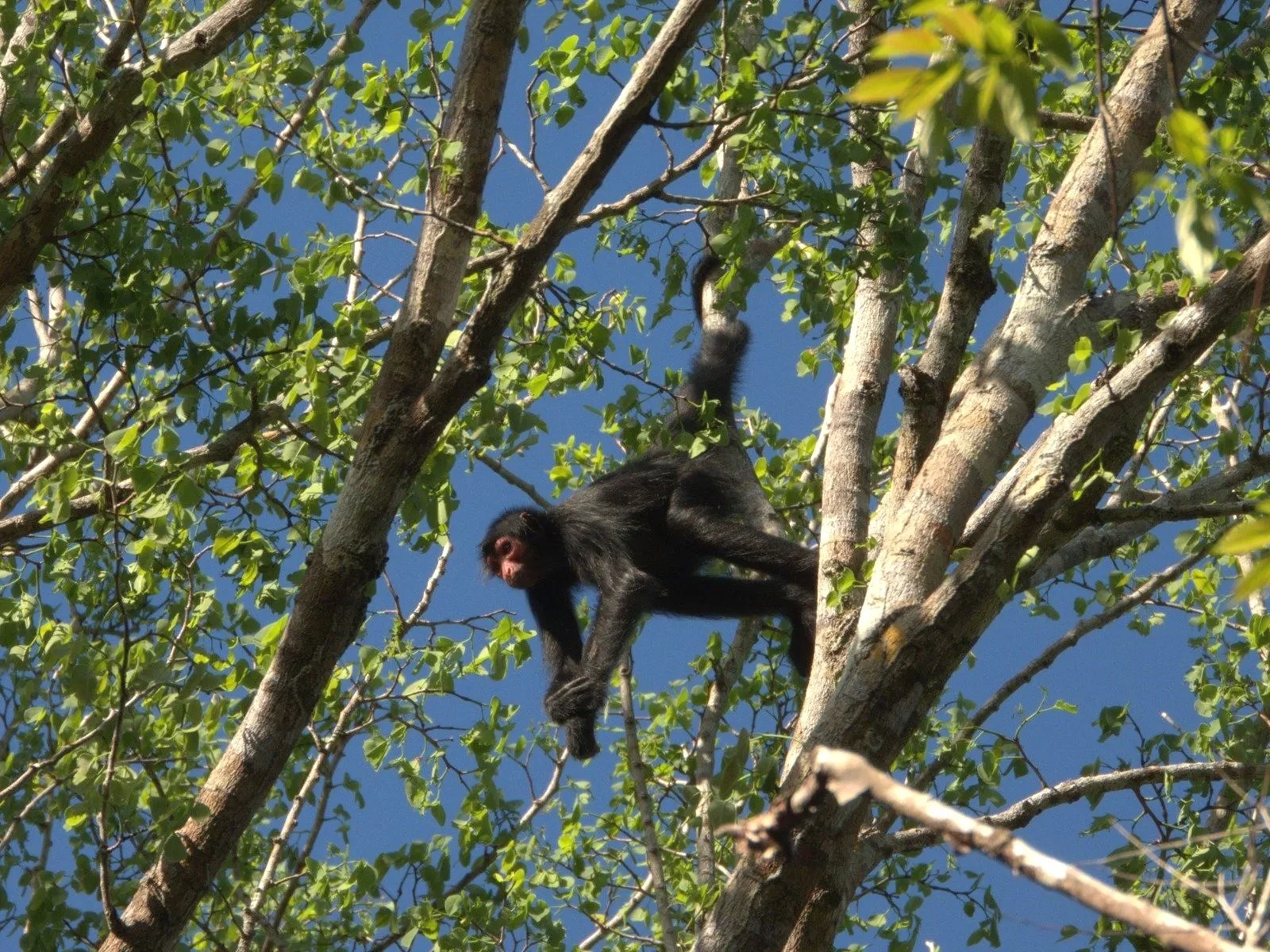
The story of an FFF piece is therefore not only about the tree or material that came from the forest. It is also about the living forest that remains.
“Comparative studies between primary forest and logged forest in Guyana do not detect any impact on biodiversity.”
Every species has valueWe don't choose the species. The forest does
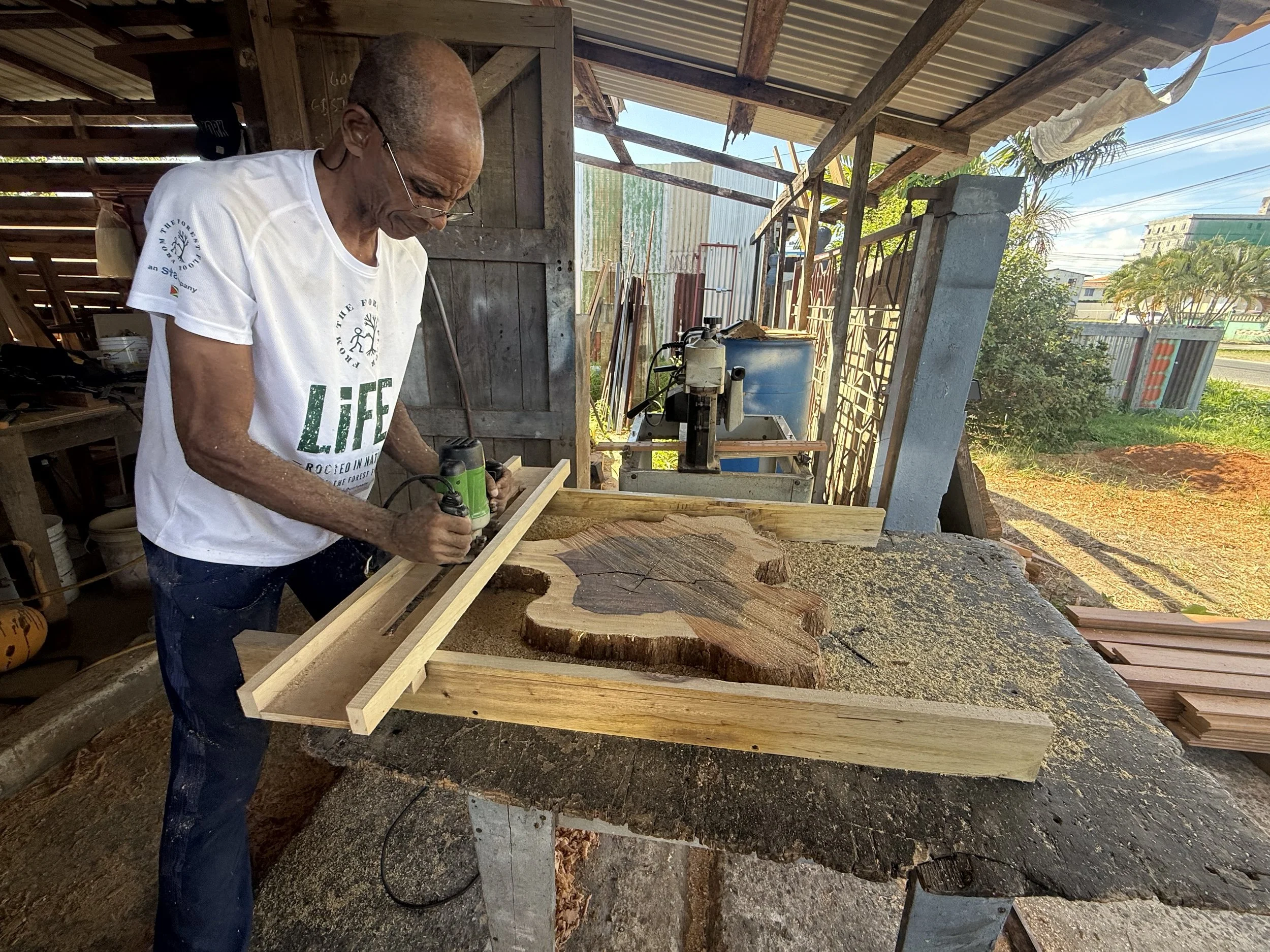
Guyana is home to over a thousand tree species. What we work with depends on what the forest provides — whether from responsibly harvested timber, storm fall, crown, branches or stump left after harvest — and lesser-known timbers deserve to be seen, not overlooked.
Each species has its own qualities and each piece tells you the timber it was made from.
The design follows the wood
The forest does not produce identical pieces of material on demand.
We adapt our designs to what the forest can sustainably provide, rather than asking the forest to satisfy a catalogue.
We begin with a simple question: